
Invincible A Thing of the Past: The Reasons India's Red-Ball Cricket Legacy Lies in Ruins
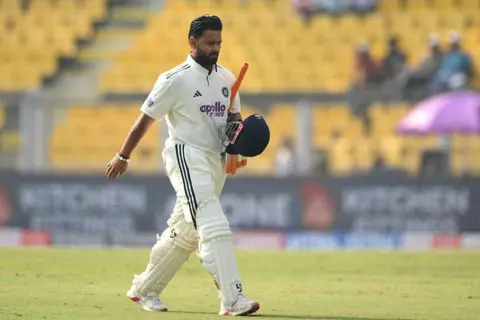
India's unexpected 0-2 series loss to the Proteas in the just finished Test series has sent shockwaves through the squad.
Earlier this week, South Africa gave India their heaviest Test defeat by runs, against all odds. It was the Proteas' first series win in India in 25 years and India's another home failure in just one year after a decade-plus without a home loss.
The winning rhythm established in the past six months has largely dissipated and the prospects of a number of cricketers - as well as head mentor Gautam Gambhir - are under scrutiny.
Initial Hope Disappears
The young team's impressive performance in England this summer, under a new captain, suggested a smooth transition post the near-simultaneous retirements of key players Ashwin, Sharma, and Virat Kohli.
A straightforward 2-0 victory over West Indies at the start of the home campaign enhanced that perception, until the South Africans turned up and handed out a devastating defeat.
India were somewhat unlucky that captain Gill suffered an injury early on in the opening Test and took no further part in the contest. Yet that does not excuse or justify the squad of the highly disappointing display in both Tests against the opposition.
Several established players took a hit, and several players aspiring to long red-ball careers were revealed to be not up to the mark - in ability or temperament - for the format.
Worrying Trend
This was the second clean sweep in home conditions suffered by India in just more than a year. Last year, unfancied the Kiwis had pulled off a staggering 3-0 win which effectively cost the hosts a place in the World Test Championship (WTC) final.
The fresh failure to South Africa risks harming the team's prospects of qualifying for the showpiece of this edition as well.
From number three in the WTC table prior to the contest, the side have fallen to fifth place. Even though nine more Tests are yet to be played, a majority are against Australia. Typically, performing in familiar conditions would be a significant benefit - including against the powerful Australians. Yet the failures against the Kiwis and the Proteas leave little scope for such comfort.
Roots of the Decline
India's vulnerability in Test cricket has been badly exposed. That said, the reason the team have fared so badly in Test matches on home soil recently is continues to confuse.
From the year 2000 onwards, India were considered impregnable in Test cricket at home. Under sweltering weather and on pitches that assisted spinners and benefited their players, India brooked no opposition. The occasional loss, like in the 2012-13 season against England, was considered an aberration.
Now, the team appear to be vulnerable in their own backyard.
Against the Kiwis in 2024 and the Proteas this year, India were defeated by their own tactics. The surfaces they curated to help their style backfired spectacularly, as the opposition exploited them better, surpassing India's batsmen and bowlers when it counted the most.
The Core Issue
Certain analysts propose that India is failing at home because local wickets have been altered from turners to quick wickets to prepare players to succeed overseas.
Others highlight that the domestic T20 league, in which numerous foreign cricketers play, has removed the surprise and difficulty home wickets would challenge them with before.
Even though there is some truth in both analyses, it still does not explain the reason India's performances on home soil have seen such a staggering decline.

Multiple Failings
The majority of ex-cricketers identify a complicated issue, not limited to a few causes.
Critics and players have highlighted several failings post India's embarrassing defeat to the Proteas: underrating the rivals, lack of preparation, flawed selections, excessive self-belief, constant chopping and changing of the starting eleven, and emphasizing white-ball over the longer format.
This was evident in the displays of the team.
Members such as Pant and Jaiswal, of whom great things were anticipated, were punished for their carelessness, while Sudarshan, Reddy, and Dhruv Jurel - who were hoping to secure their spot in the side - came up short in technique and temperament, facing the fallout for their nonchalant approach.
A small number - Jadeja, Jasprit Bumrah, Kuldeep Yadav, Siraj and Sundar - fulfilled their ability and standing - but not sufficiently to win matches.
Management Questions
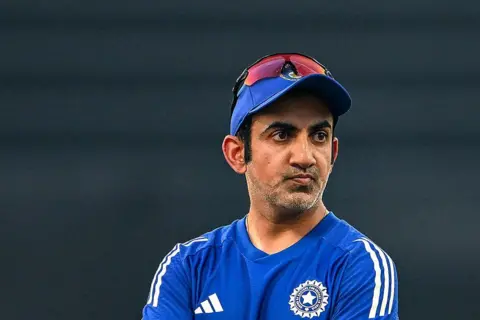
The post-mortem also included not only the cricketers - selectors and backroom team were also criticized, fuelled by distraught fans and outspoken ex-cricketers. Under focus of the criticism was mentor Gambhir.
In his post-series press